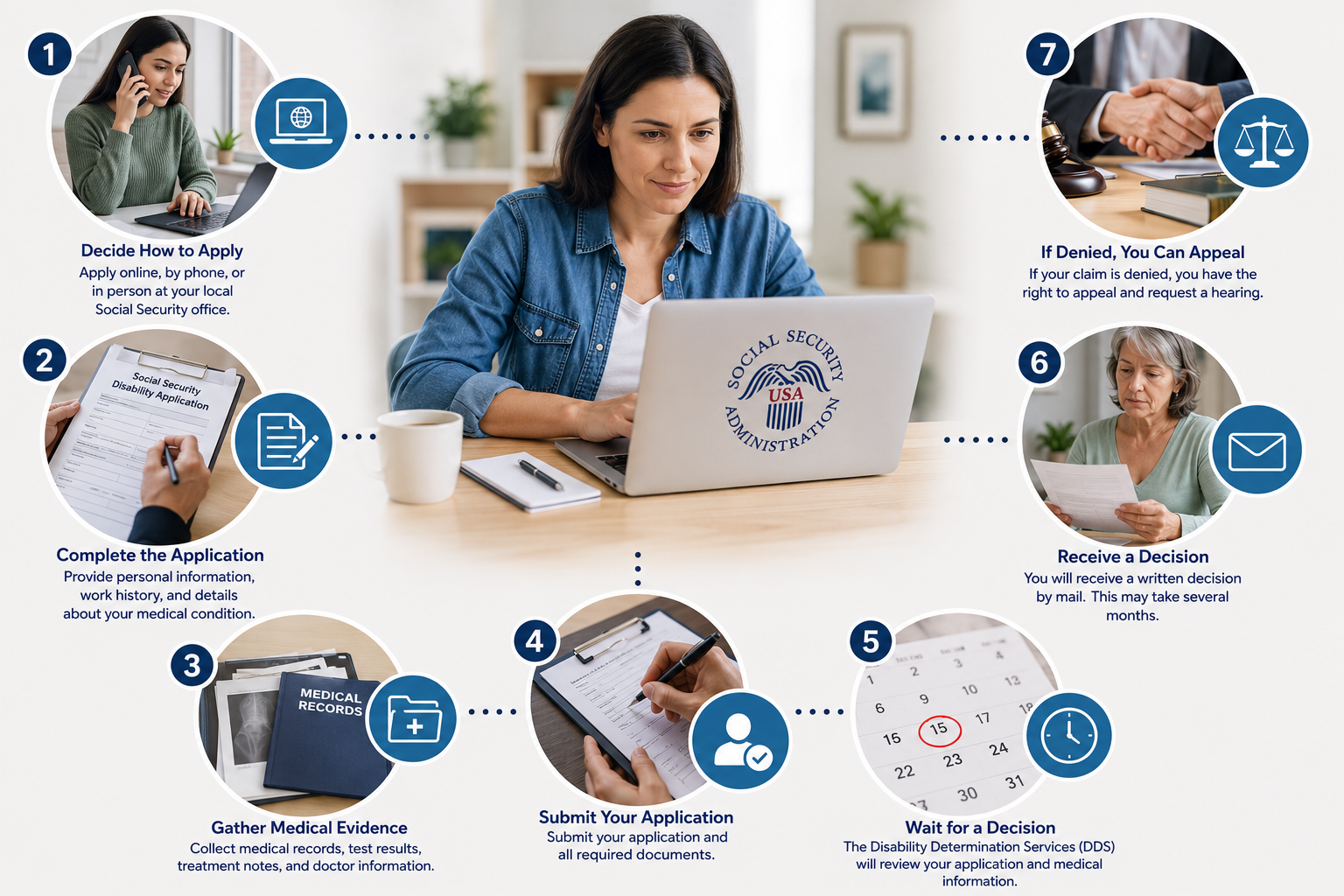


Medical documentation is the most critical component of any SSDI application. The Social Security Administration uses your records to determine whether your condition is severe enough to prevent sustained work — and without strong documentation, even a genuinely disabling condition may be denied. Knowing which records matter most helps you build a stronger claim from the start.
Treatment notes from your primary care physician provide the foundation of your medical record. These notes should reflect consistent care, documented symptoms, treatment plans, responses to medication, and any referrals to specialists. A long-standing relationship with a primary care doctor who has observed your condition over time carries significant weight. Specialist records are equally important.
If you see a cardiologist, neurologist, orthopedic surgeon, psychiatrist, or any other specialist, their records should be included. Specialist evaluations often provide the most detailed clinical picture of a condition’s severity and functional impact. Lab results, imaging, and diagnostic tests help establish objective evidence. MRIs, X-rays, EMG studies, blood panels, and other test results document measurable abnormalities that support your reported symptoms.
While not every condition produces clear diagnostic results, any objective findings should be included. A residual functional capacity (RFC) assessment from your treating physician is one of the most valuable pieces of evidence in an SSDI claim. This document describes specifically what you can and cannot do in a work setting — how long you can sit, stand, or walk, how much you can lift, and whether you have limitations related to concentration, attendance, or social interaction.
Mental health records are essential if your claim involves psychological conditions. Therapy notes, psychiatric evaluations, medication records, and functional assessments from mental health providers all contribute to a complete picture.
Our team at Grech Law Firm Attorney & Counselor helps clients identify, gather, and organize the medical evidence needed to support a strong SSDI claim. Contact us for a free consultation.