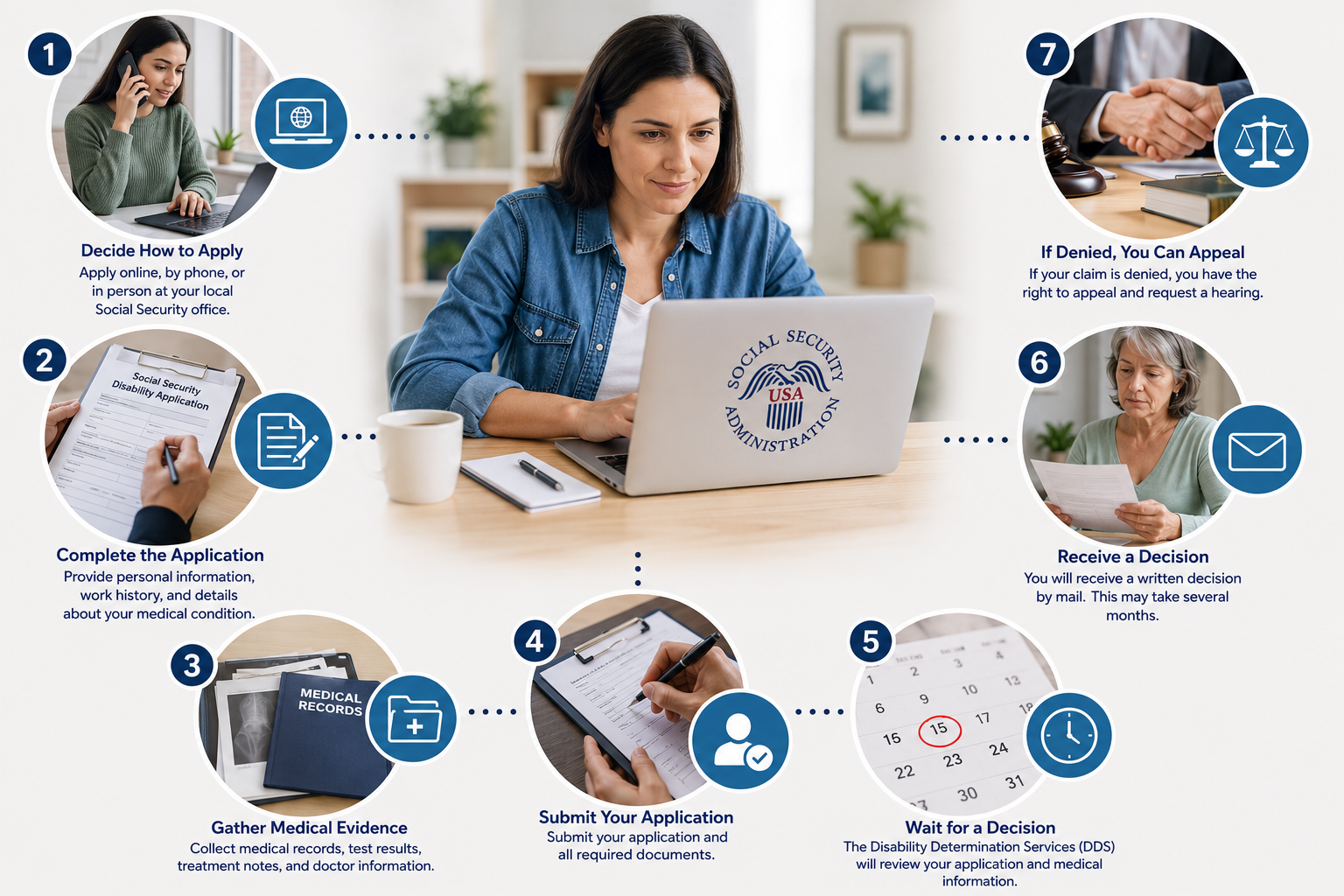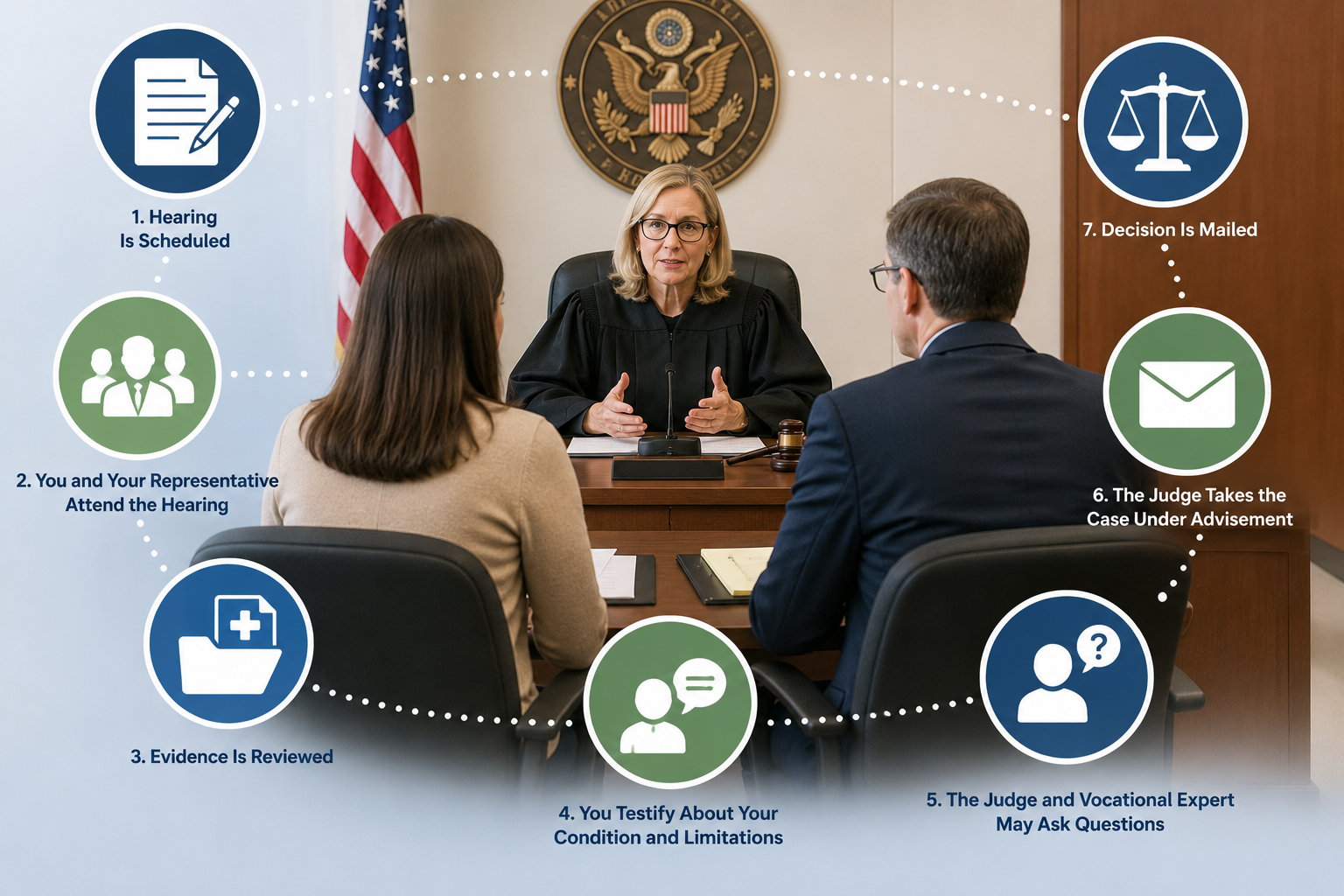


Children with disabilities may qualify for Supplemental Security Income, providing monthly financial assistance to families who need support caring for a child with a serious medical condition. Understanding how the program works — and what it takes to qualify — helps families pursue the benefits available to them. To qualify for SSI, a child under 18 must have a physical or mental condition that causes marked and severe functional limitations, and the condition must be expected to last at least 12 months or result in death.
The SSA evaluates how the child’s condition limits their functioning compared to other children of the same age — not against an adult standard of employability. Financial eligibility is also required. Because children are generally considered part of their parents’ household, the SSA considers the income and resources of parents living with the child when determining eligibility.
This process is called deeming, and it means a family’s financial situation affects whether a child qualifies for SSI even if the child has no income of their own. Documenting a child’s disability requires thorough medical records. School records, including IEP evaluations and reports from teachers, can also serve as important evidence of functional limitations in an educational and social setting.
Statements from parents, caregivers, and therapists describing how the child’s condition affects daily functioning help paint a complete picture. When a child who receives SSI reaches age 18, their case is redetermined under the adult disability standard. This is a significant transition that requires preparation — the medical and functional criteria change, and many young adults need to reestablish eligibility under the new standard.
Our team at Grech Law Firm Attorney & Counselor helps Michigan families navigate SSI claims for children. Contact us for a free consultation.