

Social Security is far more than a retirement program — it provides critical support to millions of Americans through disability, survivor, and income-based benefits. Here are five important things Michigan residents should understand about how the program works. Social Security supports more than retirees. Roughly one in six Americans receives some form of Social Security benefit.
That includes workers with disabilities receiving SSDI, low-income disabled individuals receiving SSI, children of disabled or deceased workers, and surviving spouses and dependents. The program is a broad safety net, not only a retirement fund. SSDI is insurance you’ve paid for. SSDI is funded through the Social Security taxes deducted from your paycheck throughout your working years.
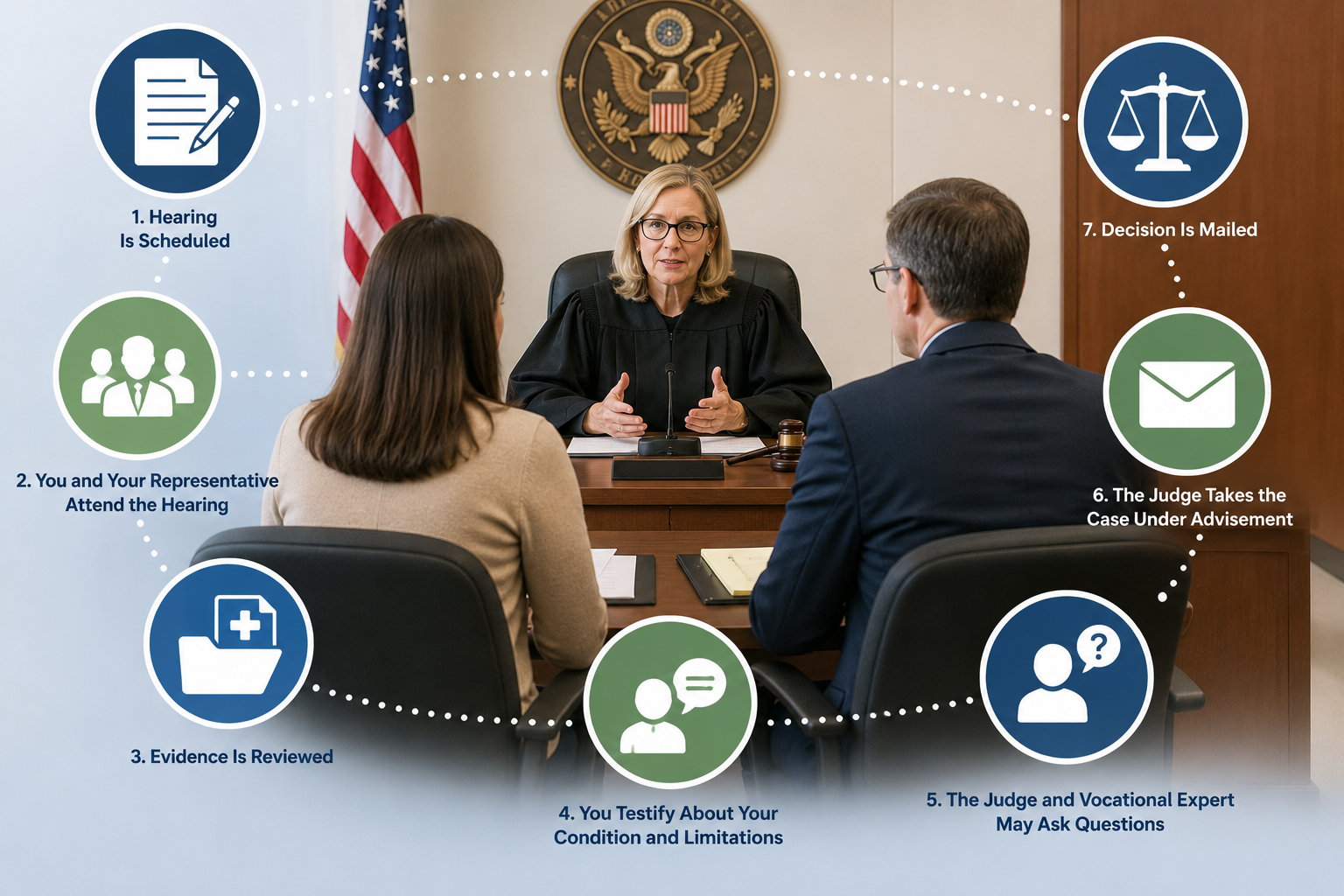
If you become disabled and can no longer work, SSDI is a benefit you’ve already earned through your contributions to the system — it’s not charity or a government handout. Most initial SSDI applications are denied. The SSA denies the majority of first-time applications, often due to insufficient medical documentation or eligibility issues. A denial is not a final answer — the appeals process exists specifically to give applicants additional opportunities, and many claims approved at the hearing stage were denied initially.
Work credits expire. SSDI eligibility requires not just a total number of work credits but also a sufficient number earned in recent years. If you stop working, your insured status can eventually lapse, which is why applying promptly after becoming disabled matters. Family members may also qualify. If you receive SSDI, certain family members — including a spouse, dependent children, and adult disabled children — may be eligible for derivative benefits based on your record, subject to a family maximum limit.
Our team at Grech Law Firm Attorney & Counselor helps Michigan residents understand and access the Social Security benefits available to them. Contact us for a free consultation.