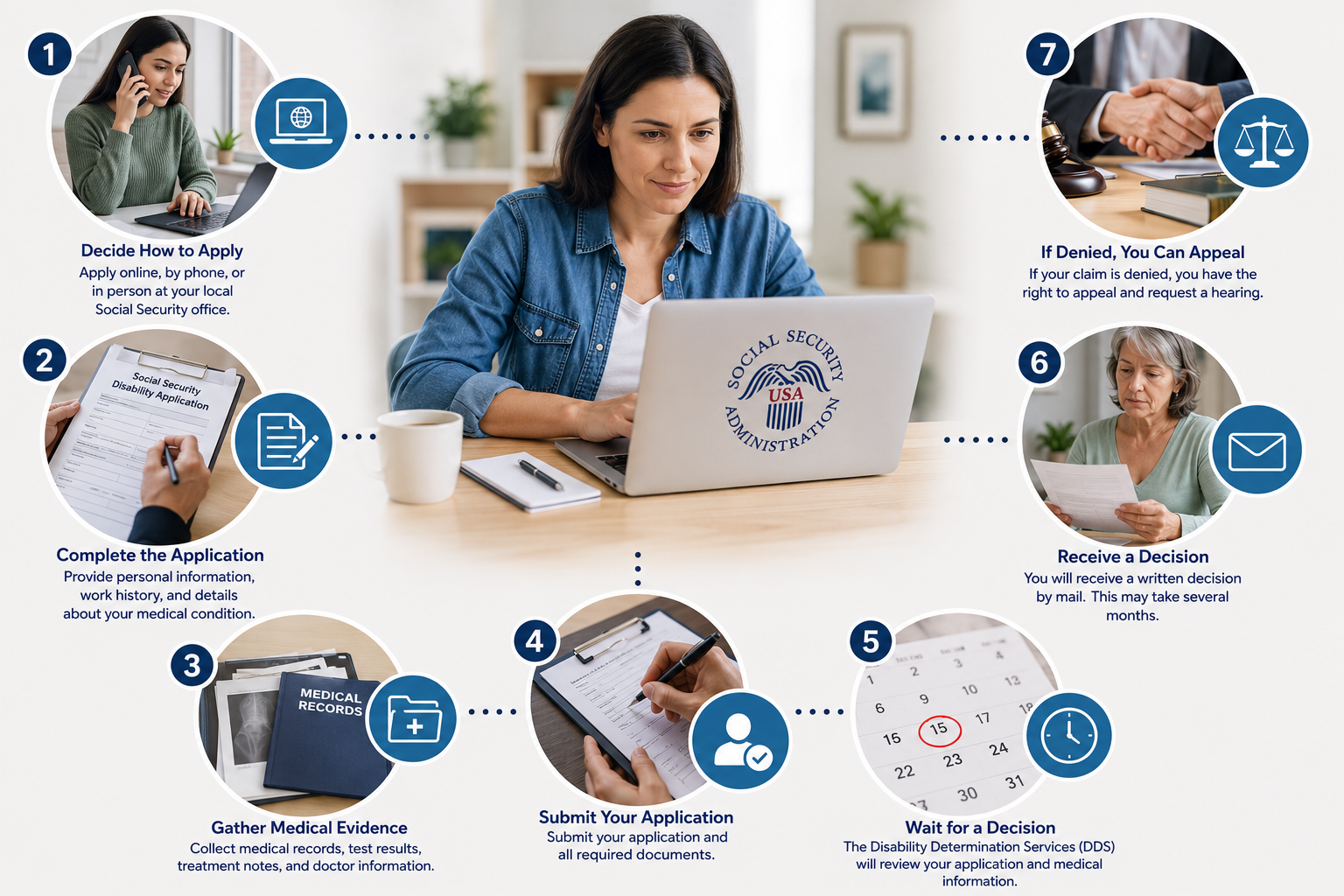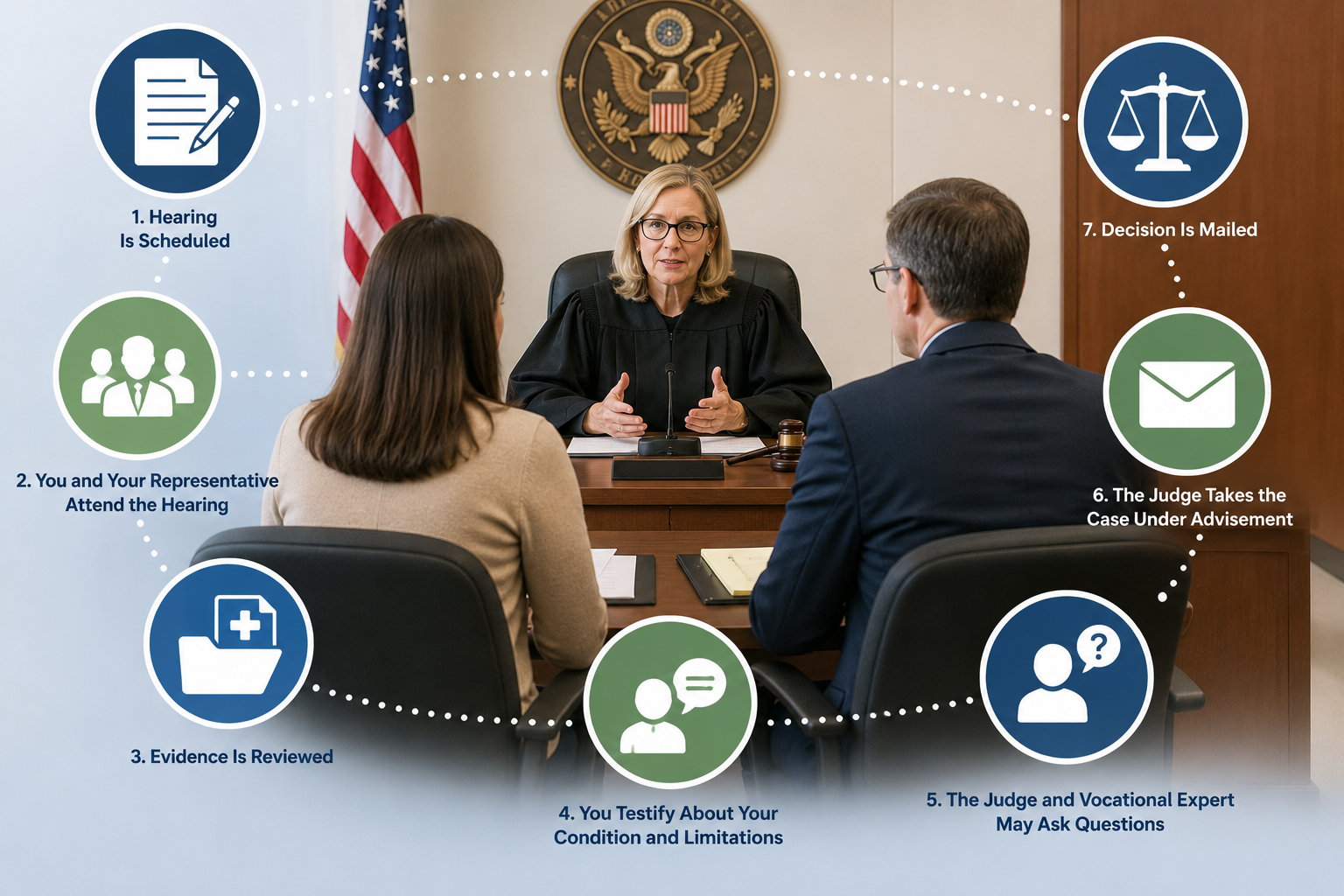


Veterans who are unable to work due to a service-connected or other disabling condition may be eligible for Social Security Disability Insurance. The SSDI application process is the same for veterans as it is for any other applicant, but there are some important distinctions worth understanding. VA disability compensation and SSDI are separate programs with different eligibility criteria.
Receiving VA disability benefits does not automatically qualify you for SSDI, and the disability ratings used by the VA do not directly translate to SSDI approval. However, a VA disability rating is an important piece of evidence that should be included in your SSDI application. One significant advantage for veterans is the Wounded Warriors expedited processing program. Veterans who became disabled on active military service on or after October 1, 2001, are eligible to have their SSDI claim processed more quickly.
This applies regardless of whether the disability is service-connected under VA rules — the key factor is when and where the disability occurred. SSDI eligibility for veterans still requires meeting work credit requirements. Military service counts toward Social Security credits, so veterans who served generally have credits from their time in uniform. The SSA can help you verify your credits using your military service records.
Medical documentation from the VA — including service medical records, VA treatment records, and any C&P examination results — can serve as important evidence in an SSDI claim. Make sure to include all VA records in your application. Veterans may also qualify for both VA disability compensation and SSDI simultaneously. The two programs do not offset each other, so receiving benefits from both is possible if eligibility criteria for each are met.
Our team at Grech Law Firm Attorney & Counselor has experience helping Michigan veterans pursue SSDI benefits. Contact us for a free consultation.