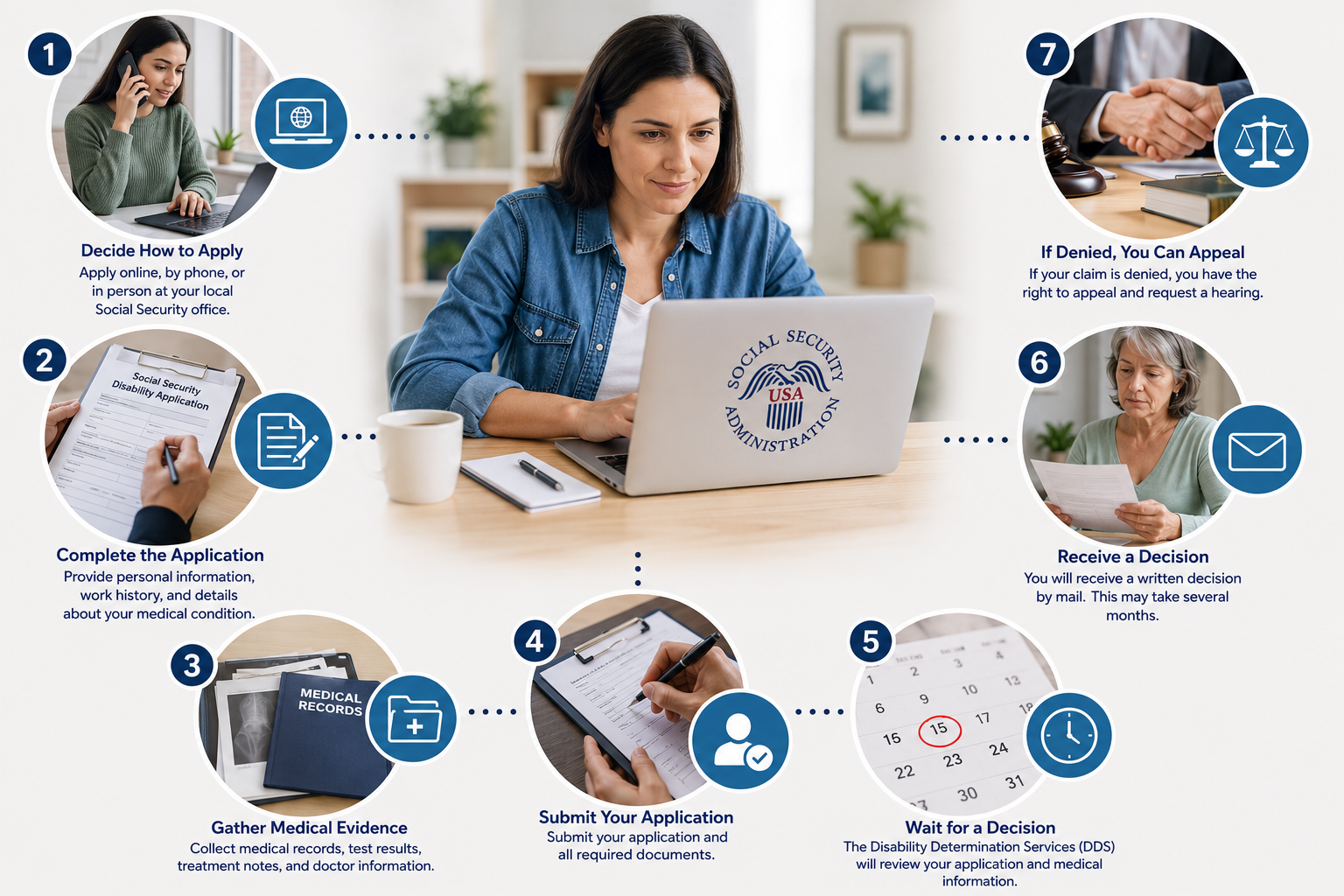


If you’ve applied for Social Security Disability benefits and are waiting for a decision, you’re not alone in finding the timeline frustrating. SSDI and SSI cases routinely take months — and sometimes years — to resolve. Understanding why the process moves slowly can help set realistic expectations and identify what, if anything, can be done to move things along. High application volume is one of the primary drivers of delay.
Millions of Americans apply for disability benefits each year, and the SSA and state Disability Determination Services agencies process cases in the order they are received. Staffing levels and funding constraints at the SSA have affected processing times significantly in recent years. Gathering medical records takes time. After your application is filed, DDS contacts your treating providers to request records.
Providers vary in how quickly they respond, and following up on outstanding requests can add weeks to the process. Complex medical cases require more review time. Applications involving multiple conditions, conflicting medical opinions, or conditions that require consultative examinations take longer to evaluate than straightforward cases. The appeals process has its own timeline.
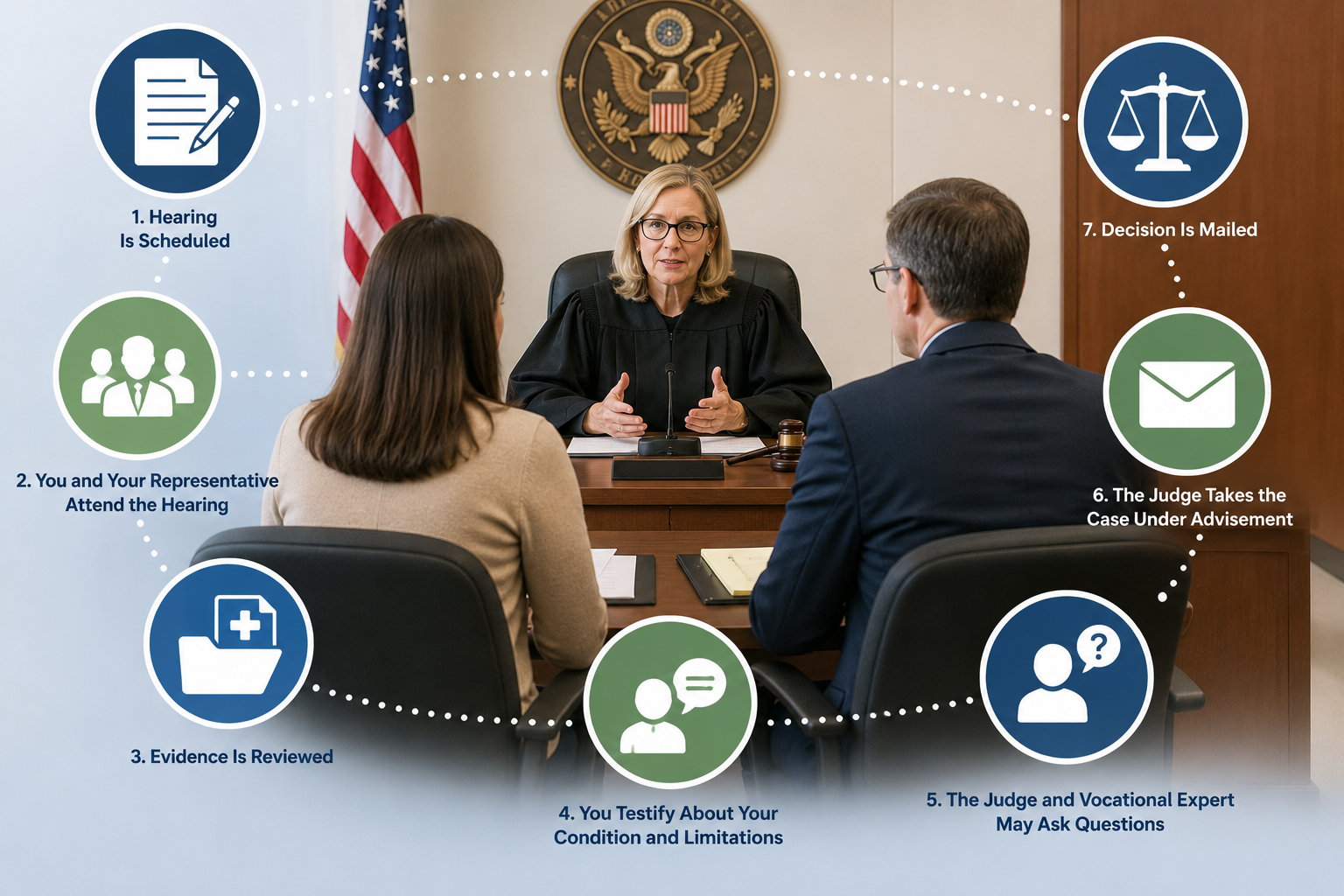
If your initial claim is denied and you request a hearing, wait times for ALJ hearings have historically averaged around 12 months or more depending on the hearing office. The backlog of pending hearings is a persistent challenge in the SSDI system. Some delays are preventable. Incomplete applications, slow responses to SSA requests, missed appointments, and late appeals all add unnecessary time to the process.
Working with an attorney helps ensure your case doesn’t stall due to administrative issues.
Our team at Grech Law Firm Attorney & Counselor helps Michigan clients keep their cases on track and avoid preventable delays. Contact us to discuss your situation.